


How a Singing and Vocal Coach Helps

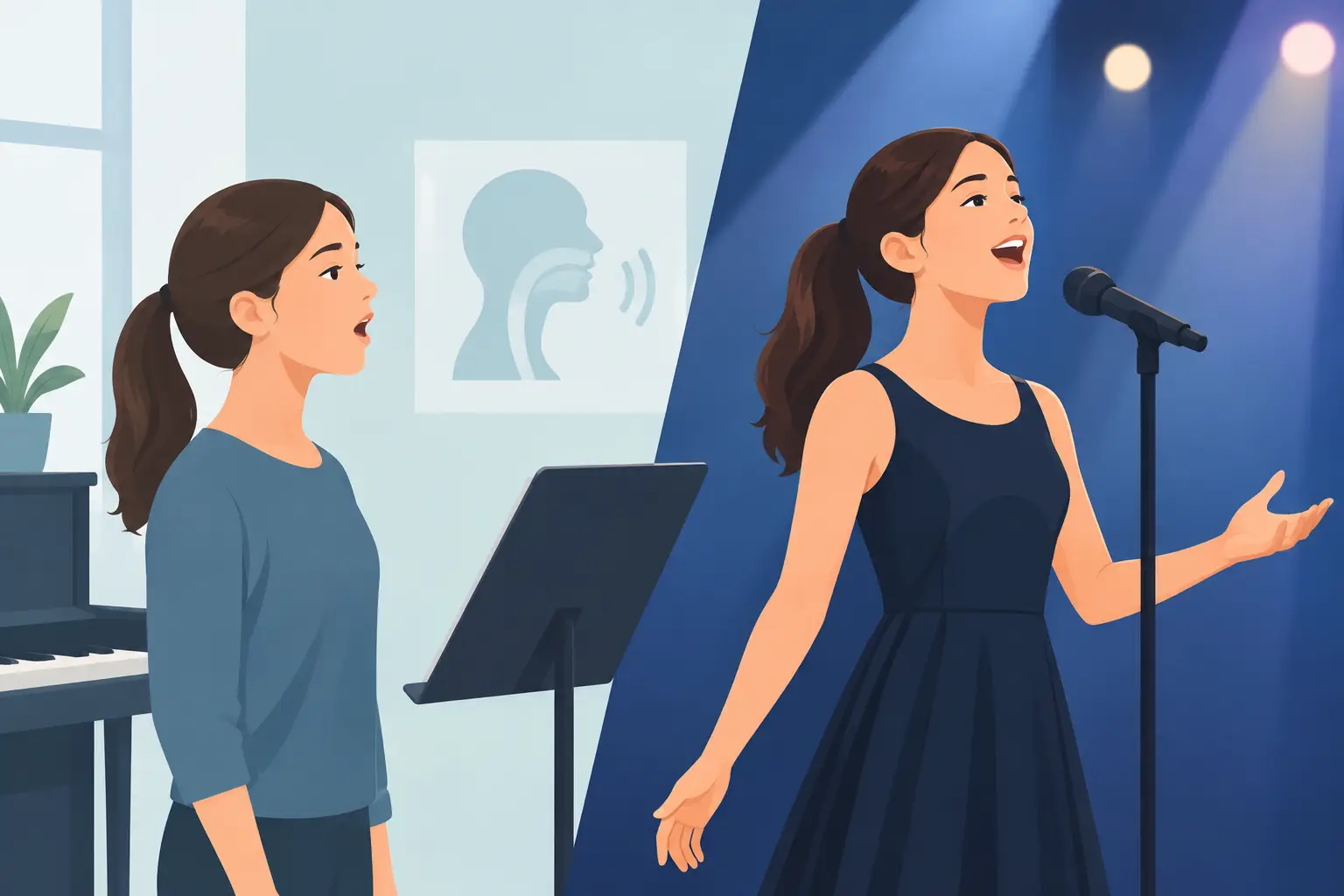
A student who loves to sing at home can light up the room. Put that same student in front of an audience, a microphone, or an audition panel, and suddenly the gaps show up fast - breath support fades, pitch gets shaky, nerves take over, and performance energy drops. That is where a singing and vocal coach makes a real difference. The right training does not just help a student sing louder or hit higher notes. It builds technique, consistency, confidence, and the kind of stage readiness that supports long-term growth.
For parents, this matters because singing ability rarely develops in a straight line. A child may have natural musicality but need structure. A teen may have strong personality and performance instincts but limited technical control. A young performer may be preparing for school showcases, musical theatre, show choir, or auditions and need focused guidance that balances skill-building with encouragement. Good coaching turns interest into progress.
What a singing and vocal coach actually does
A singing and vocal coach works on far more than songs. Yes, repertoire matters, but strong coaching starts with the instrument itself - the voice. That means developing posture, breath management, pitch accuracy, tone production, diction, resonance, range, and vocal stamina. Without those foundations, even talented singers can plateau early.
For younger students, coaching often begins with healthy habits and basic musical awareness. They learn how to match pitch, sing with clear tone, and stay engaged physically while performing. For older students, the work becomes more detailed. They may refine transitions between registers, improve control in louder or softer passages, and learn how to adapt their singing for pop, musical theatre, contemporary repertoire, or ensemble work.
The coaching relationship also includes interpretation. A student needs to know what a song is saying, how to phrase it, where to build intensity, and how to connect with an audience. Technical singing without expression can sound flat. Expression without technique can become inconsistent. The strongest training develops both at the same time.
Why children and teens benefit from structured vocal training
Many families wait until a child is older before seeking coaching, but early training can be incredibly valuable when it is age-appropriate. Young singers are still developing physically and emotionally, so the goal is not pressure. The goal is guided progression.
Structured training helps students understand how to use their voices without strain. It also builds listening skills, musical memory, confidence, and discipline. These benefits often extend well beyond singing. Students who train consistently tend to become more comfortable speaking in public, working in groups, taking feedback, and performing under pressure.
For teens, the value is often even clearer. This is the stage when voices are changing, identities are forming, and performance opportunities become more serious. A trained coach can help a teen navigate vocal changes, avoid unhealthy habits, and keep improving without forcing the voice. That balance matters. Pushing too hard too soon can create frustration. Moving too slowly can leave a motivated student underchallenged. Strong coaching recognizes the difference.
A singing and vocal coach is not just for advanced performers
One of the biggest misconceptions is that coaching is only for students who already want a professional path. In reality, students join vocal training for different reasons, and all of them are valid.
Some want to build confidence. Some want a creative outlet after school. Some enjoy singing but need more structure to improve. Others are preparing for concerts, competitions, examinations, or auditions. A few may be aiming for more advanced performance pathways. The purpose of coaching should match the student.
That is why structured academies often serve families better than a one-size-fits-all approach. Progress looks different for a preschooler, a junior student, a teen performer, and a young adult with stronger artistic goals. The training should reflect that. A student who is just beginning needs engagement, encouragement, and fundamentals. A student who is progressing well needs challenge, accountability, and performance application.
What to look for in a singing and vocal coach
Parents often focus first on whether a coach is talented, but teaching ability matters just as much. A strong singer is not automatically a strong instructor. The real question is whether the coach can develop skill in a way that is clear, progressive, and healthy.
Look for a coach or academy that understands age-specific teaching. Young children need lessons that are active and accessible. Older students need more technical detail and stronger performance goals. It also helps when training follows a recognized structure rather than relying only on casual song practice. Clear progression gives families confidence that students are not just staying busy - they are building real ability.
Performance context matters too. Singing does not happen in isolation. Students often need to move, act, project emotion, and stay connected to an audience at the same time. That is especially true for musical theatre, show choir, and stage-based performance training. In those cases, a coach who understands performance as a whole offers much more than vocal correction.
This is one reason many families are drawn to academies like MADDspace, where singing is developed alongside dance, drama, and stagecraft in a structured environment. For students who want to become stronger performers, that broader training can accelerate confidence and versatility.
Technique matters, but so does performance
A technically correct singer is not always a compelling performer. On the other hand, a highly expressive performer without vocal control may struggle with consistency. Great coaching closes that gap.
Students need to learn how to enter a song with intention, communicate lyrics clearly, manage nerves, and stay present from beginning to end. They also need rehearsal habits that support reliability. That includes warming up properly, practicing efficiently, and understanding what to fix between sessions.
For group performance, there is another layer. Students must blend, listen, keep timing, and maintain energy while working as part of an ensemble. A solo singer can hide certain weaknesses. In a group setting, accuracy and discipline become much more visible. This is why performance-centered vocal training is so effective. It teaches students to apply technique under real conditions.
How progress should feel over time
Good vocal development is exciting, but it is not instant. Families should expect steady improvement rather than overnight transformation. Early wins may include better pitch matching, clearer tone, improved confidence, and more control over breathing. Later progress may show up in stronger range, better endurance, more expressive delivery, and greater ease on stage.
There will also be periods where growth feels less obvious. That is normal. Sometimes a student is building coordination behind the scenes before the next breakthrough appears. Sometimes confidence rises before technique catches up, or technique improves before stage presence fully settles in. Progress in singing is layered.
The best coaching keeps students motivated through those phases. It celebrates growth while still setting standards. That combination is especially important for children and teens. They need to feel encouraged, but they also need to understand that consistent training is what produces results.
Choosing the right environment for vocal growth
A student can have a good coach and still struggle if the learning environment is not right. The strongest settings combine professionalism with encouragement. Students should feel supported enough to try, fail, adjust, and improve. At the same time, there should be structure, expectations, and a clear sense of progression.
Parents should also consider whether the program offers the right pathway. Some students thrive in group classes because they enjoy energy, teamwork, and shared performance opportunities. Others benefit from private attention, especially when preparing for a specific goal or working through technical challenges. Often, the best path is not either-or. It depends on the student’s age, confidence level, and performance objectives.
A well-designed training environment does more than teach songs. It helps students become adaptable performers who understand their voice, trust their preparation, and know how to keep growing. That is the real value of a strong singing and vocal coach. Not just a better performance next week, but a stronger performer for the long run.
When a student starts to sing with more freedom, more control, and more confidence, you can hear the difference immediately. More importantly, they can feel it. That shift is often what keeps them coming back, working harder, and stepping onto the stage with real purpose.


Comments