


Group vs Private Vocal Lessons: Which Fits?

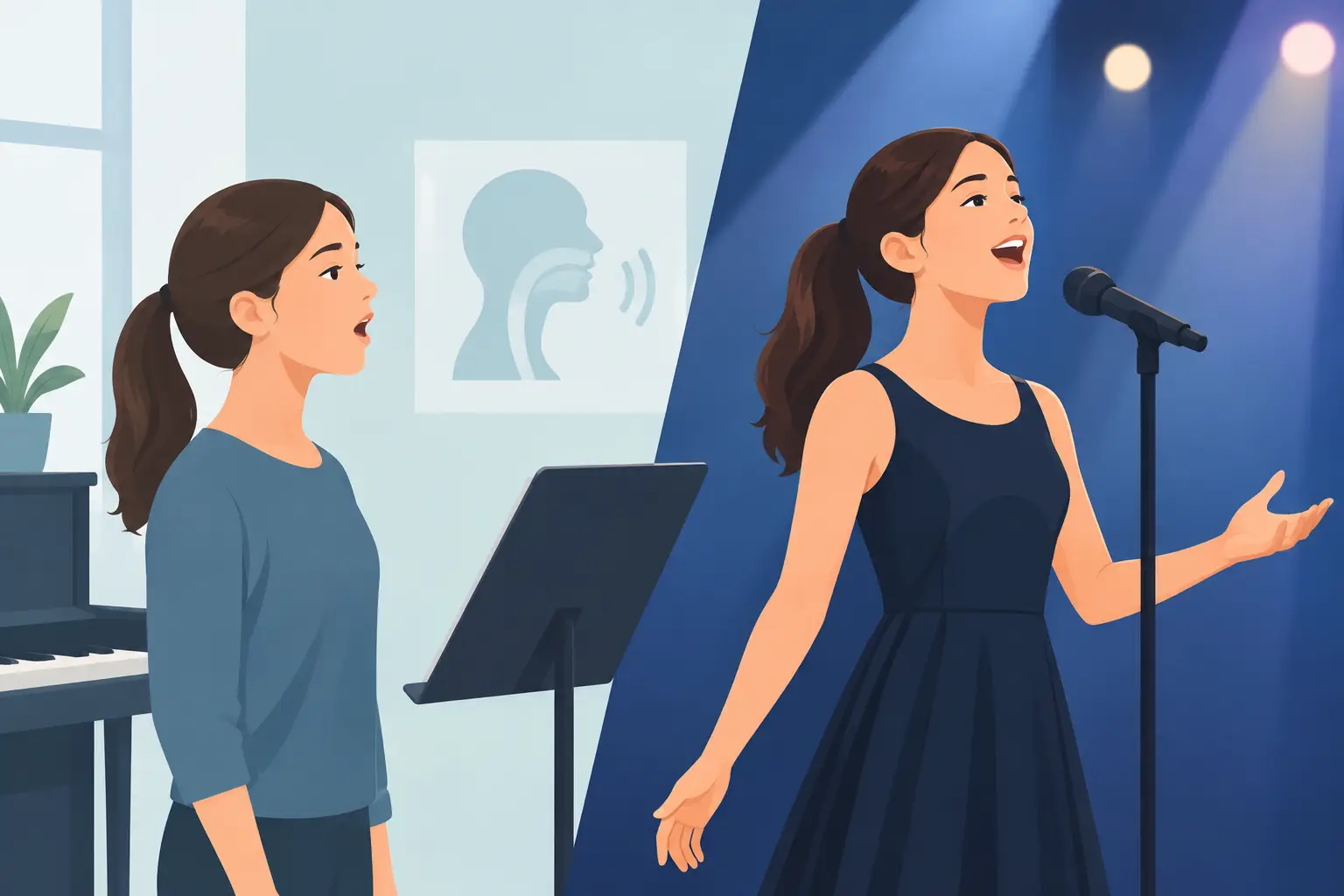
One student lights up in a room full of singers. Another only finds their voice when the teacher works with them one-on-one. That is why the choice between group vs private vocal lessons matters more than most parents expect. The best fit is not about which format sounds more impressive. It is about how your child learns, what kind of support they need, and where they want their training to lead.
For some students, singing with others builds confidence fast. For others, private instruction creates the focus and personalized feedback that helps technique click. Both can be excellent. The right decision depends on personality, goals, age, experience, and how structured you want the training journey to be.
Group vs private vocal lessons: the real difference
At a basic level, group lessons give students shared learning, ensemble experience, and a social environment. Private lessons give students individualized coaching, direct correction, and a pace tailored to their development. That sounds simple, but in practice the differences show up in motivation, progress, and performance readiness.
In a group setting, students learn by listening to the teacher and also by observing each other. They start to recognize pitch, rhythm, diction, stage presence, and musicality not just in themselves, but in a broader performance context. This can be especially powerful for younger students who thrive on energy, interaction, and movement.
Private lessons work differently. The attention is concentrated. Every exercise, correction, and repertoire choice can be adjusted to suit one voice. If a student struggles with breath support, vocal placement, tone consistency, or confidence on specific notes, the teacher can address it immediately and in detail.
Neither format is automatically better. The better question is what your child needs right now.
When group vocal lessons are the better choice
Group classes often work beautifully for beginners, especially children who are still developing comfort, musical awareness, and stage confidence. Singing alongside peers can make lessons feel less intimidating. Instead of feeling put on the spot from the first minute, students warm up together, try new material in a shared environment, and build confidence through participation.
That social dynamic matters. Many children and teens stay engaged in the arts because they feel part of something. A strong group class creates accountability, excitement, and a sense of progress that can be very motivating. Students are not just learning songs. They are learning how to blend, listen, follow direction, perform as part of a team, and carry themselves in front of others.
This format is also ideal for students who are interested in performance-based training rather than only technical vocal work. If a child enjoys musical theater, show choir, or stage performance, group learning often develops skills that private instruction alone cannot fully replicate. Timing, harmony awareness, expression within an ensemble, and stage discipline are all strengthened in a group setting.
For parents, group classes can also offer a clearer entry point. They provide structure, regularity, and visible progression without the intensity that some beginners are not ready for yet.
Still, group lessons do have limits. A teacher cannot spend the entire class correcting one student’s vocal habits. Feedback is naturally less individualized, and quieter students may take longer to reveal what they need help with.
When private vocal lessons make more sense
Private lessons are usually the strongest choice when a student needs precision. That may be because they are preparing for auditions, working toward exams, building healthy technique, or trying to move past a plateau.
In a one-on-one setting, the teacher can hear every detail. If a student is pushing, singing breathily, struggling with transitions between registers, or losing clarity in certain vowels, those issues can be addressed directly. Progress is often more targeted because lesson time is not shared.
Private lessons can also be a game changer for shy students, though not always for the reason people think. Some children are quiet in groups not because they dislike singing, but because they need space to make mistakes without comparison. In private training, they can ask questions more freely, experiment more openly, and build confidence before performing in front of others.
Older students and teens with serious goals often benefit from this format too. If they want to refine style, expand range, improve song interpretation, or prepare polished repertoire, private coaching gives them room to go deeper.
The trade-off is that private lessons can feel intense for students who are very young, highly social, or not yet sure they want formal vocal training. Without the energy of peers, some students lose momentum. Others may improve technically but miss out on the collaborative skills that make performers well-rounded.
Age, personality, and goals matter more than labels
Parents sometimes ask which option helps students improve faster. The honest answer is that progress depends less on the label of the lesson and more on fit.
A six-year-old who loves music, movement, and learning with friends may progress more in a well-structured group class than in a private lesson that feels too demanding. A teen with a clear audition goal may progress far more in private training where every lesson is tailored to specific needs.
Personality plays a major role. Confident, outgoing students often enjoy the pace and buzz of group classes. Reflective or cautious students may show stronger development in one-on-one lessons, at least at the beginning. Some students need external energy. Others need focused space.
Goals matter just as much. If the aim is enjoyment, confidence, and broad performance experience, group classes can be an excellent foundation. If the aim is accelerated technical growth or individualized coaching, private lessons are often the better match.
What parents should look for beyond lesson format
The lesson format matters, but the teaching approach matters more. A strong program should have clear structure, age-appropriate expectations, and instructors who know how to build both technique and confidence.
For younger singers, lessons should not feel like random sing-alongs or overly serious conservatory drills. The best training balances discipline with engagement. Students need to enjoy the process, but they also need real skill development.
For school-age children and teens, progression should be visible. That means students are not simply repeating songs they already know. They should be strengthening musicality, vocal control, expression, and performance habits over time. A credible academy will also place students in classes that match both age and ability, rather than forcing one format on everyone.
This is where a structured training environment makes a real difference. At MADDspace, students benefit from a performance-centered pathway that supports both group development and focused instruction, depending on where they are in their journey.
Should students ever do both?
Yes, and in many cases that is the strongest long-term approach.
Group classes and private lessons do not need to compete. They can complement each other extremely well. A student might build stage confidence, teamwork, and performance presence in a group class while using private lessons to sharpen technique and work on specific repertoire.
This combination is especially effective for students who are becoming more serious about singing. Group training keeps them connected to ensemble skills and the excitement of performing with others. Private coaching gives them the technical foundation and personalized support needed for higher-level progress.
That said, not every student needs both at once. Sometimes the smartest approach is to start with one format and add the other later. A beginner may begin in a group class, then move into private lessons once goals become more defined. Another student may begin privately to establish technique and confidence, then join a group setting to develop performance range.
How to choose with confidence
If your child is new to singing, ask where they are most likely to feel engaged and successful. If they are social, energetic, and excited by shared activity, group lessons may be the best first step. If they need personalized support, focused correction, or have a specific goal in mind, private lessons may serve them better.
It also helps to think beyond the next month. Consider where you want the training to lead. Do you want your child to enjoy the arts, build confidence, and grow steadily in a supportive environment? Do they want stronger technique, exam preparation, or more advanced performance development? The clearer the goal, the easier the decision becomes.
There is no prize for choosing the more intensive option too early. There is no disadvantage in starting with the format that helps a student stay motivated. Good vocal training is not about rushing. It is about placing each singer in the environment where they can learn well, build healthy habits, and keep growing.
The best lesson format is the one that helps a student show up eager, work with purpose, and leave each class stronger than when they walked in.


Comments