


How a Kids Musical Theatre Programme Helps

Some kids light up the second music starts. Others need a little more time before they are ready to sing out, move bigger, or speak up in front of a group. A strong kids musical theatre programme gives both types of students the same advantage - structured training that turns interest into real progress.
For parents, that structure matters. Musical theatre can look playful from the outside, but the best programs are carefully built. They develop voice, movement, acting, musicality, coordination, and stage confidence in a way that feels exciting for children while still being grounded in technique. That balance is what separates a casual activity from training that genuinely supports growth.
What a kids musical theatre programme should actually teach
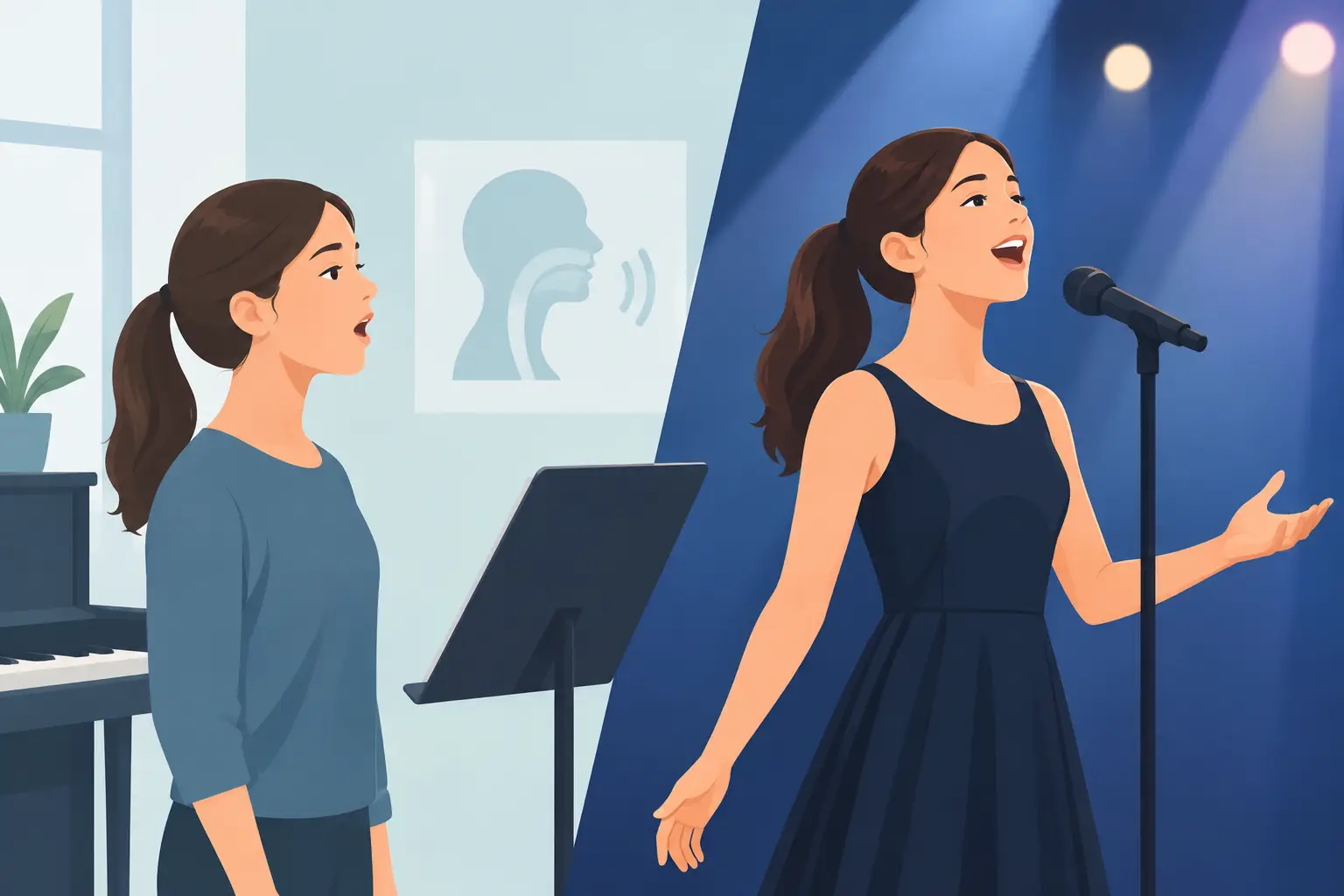
A quality kids musical theatre programme is not just about putting children on stage and hoping confidence appears. It should teach the three core disciplines of musical theatre - singing, dance, and drama - in a connected way.
When those areas are taught together, students learn how performance really works. A song is not only about hitting notes. It also needs character, storytelling, timing, expression, and physical control. In the same way, dance in musical theatre is not only about learning steps. Children need rhythm, body awareness, stage spacing, and the ability to perform while staying connected to the story.
Drama ties everything together. It teaches students how to make choices, react truthfully, project their voice, and understand the emotion behind a scene or lyric. Even for younger children, that foundation matters. They may not be analyzing a role in a highly technical way yet, but they are learning to communicate with intention.
Why parents choose musical theatre training
Parents often start with one visible goal. They want their child to be more confident, more expressive, or less shy in groups. Those are valid reasons, and musical theatre can absolutely help. But the value usually goes further than parents expect.
Regular training teaches discipline in a creative format. Students have to listen, remember combinations, follow direction, work as an ensemble, and keep trying when something feels difficult. That combination is powerful because it builds performance skills without losing the joy that keeps children engaged.
There is also a big difference between confidence and loudness. Some children are naturally outgoing but struggle with focus, consistency, or control. Others are quiet but highly observant and capable once they feel secure. A well-run program makes space for both. It should encourage personality while also teaching technique, patience, and respect for the group.
The best kids musical theatre programme is age-appropriate
One of the biggest mistakes parents can make is assuming all performing arts classes work the same way. They do not. A preschooler needs a very different teaching style from a preteen preparing for more demanding performance work.
For younger children, classes should focus on imagination, musical response, basic coordination, vocal exploration, and simple storytelling. The goal is not polished performance right away. The goal is to build comfort, routine, and joy in expression while introducing foundational skills.
For elementary-age students, training can become more structured. This is often the stage where children can begin learning cleaner vocal habits, more precise movement, stronger stage awareness, and basic character work. They are also more ready to understand group responsibility and rehearsal etiquette.
For older kids and teens, expectations should rise. At this level, students benefit from more detailed musical interpretation, stronger technique, better stamina, and coaching that prepares them for showcases, auditions, and higher-level performance opportunities. A program that grows with the student is usually more valuable than one that stays at the same level year after year.
What to look for in class structure
Not every program with singing and dancing on the timetable offers the same level of training. Parents should pay attention to how the classes are organized, not just how fun the photos look.
A strong program has progression. That means students are not repeating the same general activities every term with a new song attached. Instead, they are building skills in sequence. Breath support, diction, rhythm, performance quality, teamwork, and stage presence should all improve over time.
Instruction matters too. Teachers should know how to work with children at different developmental stages while still maintaining standards. In musical theatre, it is especially helpful when training is guided by recognized methodologies or syllabi, because that gives families a clearer sense of consistency and progression.
Class size is another factor. Group classes are excellent for ensemble work and performance energy, but they should still allow teachers to correct technique and give students enough individual attention. If a class is too crowded, children can end up participating without actually developing.
Performance opportunities matter, but not in the way most people think
Many parents ask whether a musical theatre program includes performances. That is a fair question, but the better question is what those performances are for.
A good stage opportunity is not just a photo moment at the end of the term. It should reinforce what students have been training to do. Performing teaches children how to manage nerves, stay present, support cast members, and deliver under pressure. Those lessons are valuable because they test whether classroom learning can hold up in a live setting.
That said, more performances do not always mean better training. If students are pushed into constant show prep without enough technical development, progress can plateau. On the other hand, if training stays too private for too long, students may struggle to apply their skills confidently. The right balance depends on age, experience, and goals.
How musical theatre supports growth beyond the stage
Parents often notice changes outside the studio before they notice technical changes in performance. A child who used to avoid speaking in front of classmates may start volunteering answers. A student who had trouble remembering sequences may become better at following multi-step instructions. Another may simply carry themselves with more presence.
That is part of the appeal of musical theatre. It asks children to use their voice, body, memory, focus, and emotions at the same time. Few activities train all of those areas together.
It also teaches resilience. Progress in performing arts is rarely instant. Children learn a line, forget a line, try again, and improve. They miss a count, reset, and keep going. In a supportive but disciplined environment, that process becomes normal rather than discouraging. Over time, students become more coachable and more comfortable being challenged.
When a specialized academy makes a difference
A general enrichment class can be a fine introduction. But families looking for stronger development often benefit from a specialized academy environment, where vocal training, dance instruction, and drama work are part of a broader pathway rather than isolated experiences.
That kind of setting usually creates better continuity. Students can move through age-appropriate levels, deepen technique, and train with teachers who understand how the disciplines connect. For children who become more serious about performing, that structure matters even more.
In Singapore, many parents look for programs that combine creative excitement with measurable standards. That is one reason a school like MADDspace stands out. The appeal is not only variety. It is the ability to train across disciplines in one place, with a clear developmental pathway and recognized educational credibility behind the teaching.
Is musical theatre right for every child?
Not always in the same way, and that is worth saying clearly. Some children love the spotlight immediately. Others enjoy the training but take longer to feel comfortable performing. Some are drawn more to singing than acting, or more to movement than voice work. That does not mean the program is a poor fit. It simply means the teaching should help each student develop from their starting point.
The best musical theatre training does not try to force every child into the same personality. It builds skill, confidence, and artistry in a way that respects who they are while still asking for growth. For one child, success may be stronger projection and better coordination. For another, it may be deeper character work or more disciplined rehearsal habits.
That is why trial classes can be so useful. They help parents see whether a program feels structured, encouraging, and appropriately challenging. They also help children experience the rhythm of the class before making a longer commitment.
If you are choosing a kids musical theatre programme, look past the costumes and end-of-term applause. The real value is in the training process - the weekly discipline, the growing skill set, and the quiet moment when a child begins to perform with confidence because they know how, not just because they were told to be brave.


Football Bros has a great balance between simple gameplay and exciting competition. The matches move quickly, the controls feel responsive, and every goal is rewarding. It's the kind of game that's easy to recommend because it's fun for players of all skill levels.