


How to Choose the Best Vocal Schools for Kids

A child who sings confidently at home may be ready for more than a playlist and a bathroom microphone. The best vocal schools give that enthusiasm a place to grow - with healthy technique, age-appropriate guidance, creative encouragement, and real opportunities to perform. For parents, the question is not simply where a child can take singing lessons. It is where they can develop discipline, confidence, and a lasting connection to music.
A strong vocal program should feel exciting from the first class, but its value becomes clearer over time. Students learn how to use their voices with care, listen closely, work with others, and step onto a stage with greater assurance. Whether your child is an outgoing performer or a quiet beginner who needs a supportive place to be heard, choosing the right school can shape their experience for years.
What the Best Vocal Schools Teach Beyond Songs
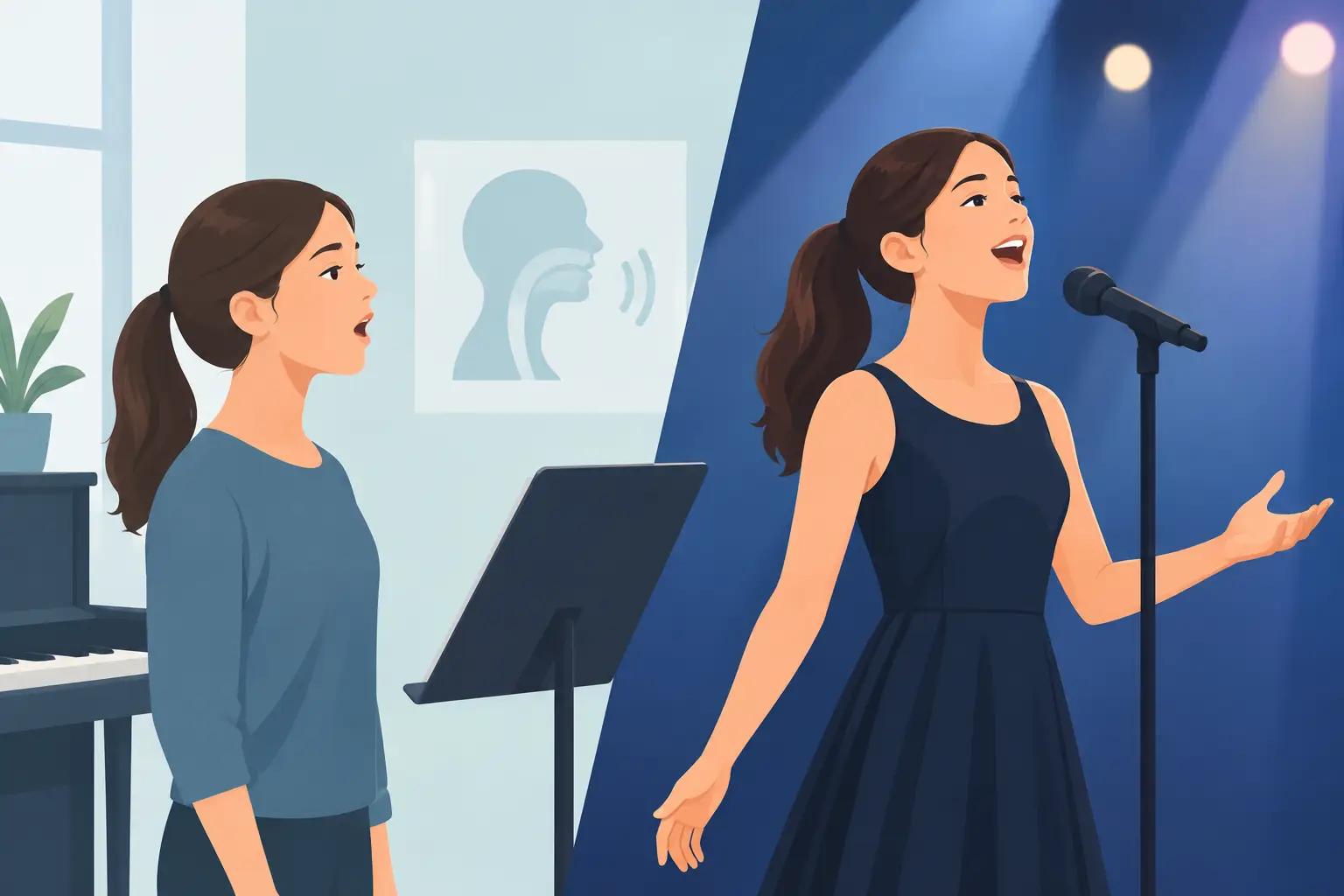
Learning songs is part of vocal training, but it is not the whole picture. A quality school teaches students how to breathe efficiently, sing with appropriate posture, hear pitch accurately, pronounce lyrics clearly, and communicate the meaning of a song. These foundations help young singers sound more confident while protecting their developing voices.
For children and teens, healthy vocal habits matter especially. Young voices change as students grow, and training should be adjusted to suit their age, range, and level of maturity. Pushing for volume, extreme high notes, or an adult-style sound too early can create strain and frustration. Skilled instructors build strength gradually and help students understand that good singing is not about being the loudest person in the room.
The strongest programs also develop musicianship. Students should learn to recognize rhythm, follow musical direction, and sing in time with accompaniment or a group. These skills make a difference when they join a school production, audition for an ensemble, prepare for an exam, or perform with other artists.
Just as important is performance training. Singing in a studio is one skill. Singing while making eye contact, moving with purpose, managing nerves, and telling a story is another. For young performers with ambitions in musical theater, show choir, pop performance, or stage work, a school that combines vocal technique with movement and acting can offer a more complete foundation.
How to Choose the Best Vocal Schools
The right school depends on your child’s age, personality, and goals. A preschooler who loves action songs needs a very different environment from a teen preparing for a vocal assessment or audition. Rather than choosing based on a flashy performance clip alone, look at how the school supports progress from the first lesson onward.
Start With an Age-Appropriate Program
Young children learn best through guided play, repetition, movement, and imagination. A good early-years singing class may include simple vocal exercises, rhythm games, sing-and-dance activities, and opportunities to build confidence in a group. At this stage, the objective is not perfection. It is helping children enjoy using their voices while learning to listen, participate, and express themselves.
As students enter primary school and their teenage years, training can become more structured. They may work on repertoire, vocal placement, breath support, harmony, microphone technique, and stage presence. For older teens and young adults, programs can also focus on stylistic interpretation, audition preparation, and performance discipline.
Ask whether the school has a clear pathway rather than a one-size-fits-all class. A student should be able to progress when they are ready, not be held back by material that no longer challenges them or rushed into advanced work before their fundamentals are secure.
Look for Structure, Not Just Fun
A lively lesson is valuable, especially for younger students. However, fun without structure can make progress difficult to measure. Look for a program with stated learning goals, regular feedback, and a thoughtful approach to repertoire selection.
Recognized syllabi can be a useful indicator of structure. Training aligned with established vocal or musical theater standards gives students a framework for building technique and preparing for assessments when that suits their goals. Exams are not necessary for every singer, but a school that understands formal standards is often better equipped to teach clear technical progression.
That said, structure should never make a class feel rigid or intimidating. The best instructors balance high expectations with encouragement. Students should leave feeling challenged, supported, and motivated to return.
Consider the Performance Opportunities
Performance is where training becomes real. It teaches students how to prepare, collaborate, adapt, and recover when something does not go exactly as planned. These are useful life skills as much as performing arts skills.
Ask how often students have opportunities to share their work. A school may offer showcases, recitals, class presentations, or ensemble performances. The format matters less than the preparation behind it. Students should receive coaching on stagecraft, rehearsal etiquette, confidence, and teamwork rather than being placed onstage with little guidance.
For a child who loves both singing and movement, programs that integrate dance and drama can be particularly valuable. They learn that performance is not only about hitting the right notes. It is about creating a complete, engaging moment for an audience.
Understand Group Classes and Private Lessons
Group vocal classes and private lessons serve different purposes, and many students benefit from both at different stages. In a group setting, children learn harmony, ensemble awareness, social confidence, and the joy of creating something with peers. It can be an ideal starting point for beginners who thrive on energy and collaboration.
Private lessons allow for more individualized attention. An instructor can focus closely on a student’s vocal range, habits, repertoire, and specific technical needs. This can be helpful for students preparing for auditions, exams, or advanced performance goals.
Neither option is automatically better. A reserved child may gain confidence through a friendly group before taking on solo work. A student with a specific vocal challenge may need one-on-one guidance alongside ensemble training. The right choice depends on what will help the student grow now.
Meet the Instructors and Observe the Culture
Credentials matter, but teaching approach matters too. An effective vocal instructor can explain technique in a way a child understands, notice when a student is straining, and create a room where mistakes are treated as part of learning. They should be encouraging without offering empty praise and demanding without making students fearful of getting things wrong.
A trial class is one of the best ways to assess this. Watch how the instructor responds to different confidence levels. Do students receive clear guidance? Are they actively participating? Is the atmosphere focused but positive? Parents should also feel comfortable asking how progress is tracked and how instructors communicate concerns or recommendations.
At MADDspace, students can move through age- and skill-based training that brings together vocal development, dance, drama, and performance experience. This kind of connected training is especially useful for young people who want to become versatile, stage-ready performers rather than develop only one skill in isolation.
Questions to Ask Before Enrolling
Before committing to a program, use the trial process to understand what your child will actually experience. These questions can help you look beyond the timetable and make a confident decision:
How is the class adapted for my child’s age and current experience?
What vocal skills will students work on during the term?
How do instructors support students who are shy, new to singing, or nervous about performing?
Are there performance opportunities, and how are students prepared for them?
Is there a progression pathway if my child wants to continue into more advanced training?
Clear answers usually reflect a clear program. If a school can explain how it teaches, develops, and supports students, parents are more likely to know what they are investing in.
Choose a School That Supports the Whole Performer
A child may begin singing because they enjoy a favorite song, want to perform with friends, or simply need a creative outlet after school. Over time, vocal training can become a place where they learn commitment, resilience, communication, and self-belief. Those outcomes are often just as meaningful as a polished performance.
The best choice is not necessarily the school with the biggest promises. It is the one that sees your child as an individual, offers a level they can grow into, and makes disciplined training feel inspiring. Give them a chance to try a class, listen to how they respond afterward, and choose the environment where their voice can grow with confidence.


After reading the article about how to choose the best vocal schools for kids, I realized how important it is for children to balance learning with entertainment. In my free time, I often play Meccha Chameleon for a fun and relaxing break. It’s a great way to unwind after spending time learning new things!